
Malaria Parasite Symptoms in Children: 10 Warning Signs Every Parents Must Know
Every parent wants to see their child healthy, active, and happy. However, when a child suddenly develops a fever, becomes unusually weak, or refuses to eat, it can be difficult to know what’s wrong.
One possible cause is malaria, a mosquito-borne disease that remains a serious health concern in many parts of Africa, particularly Nigeria.
Understanding malaria parasite symptoms in children can help parents recognize early warning signs and seek medical attention before the illness becomes severe.
According to the World Health Organization (WHO), children under five are especially vulnerable to severe malaria. Therefore, early diagnosis and appropriate treatment are essential.
In this guide, we’ll explore 10 important symptoms of childhood malaria, explain when parents should seek emergency care, and discuss practical ways to protect children from infection.
Suggested featured image: A concerned African mother gently checking her child’s forehead for fever while the child rests in bed.
What Is Malaria in Children?
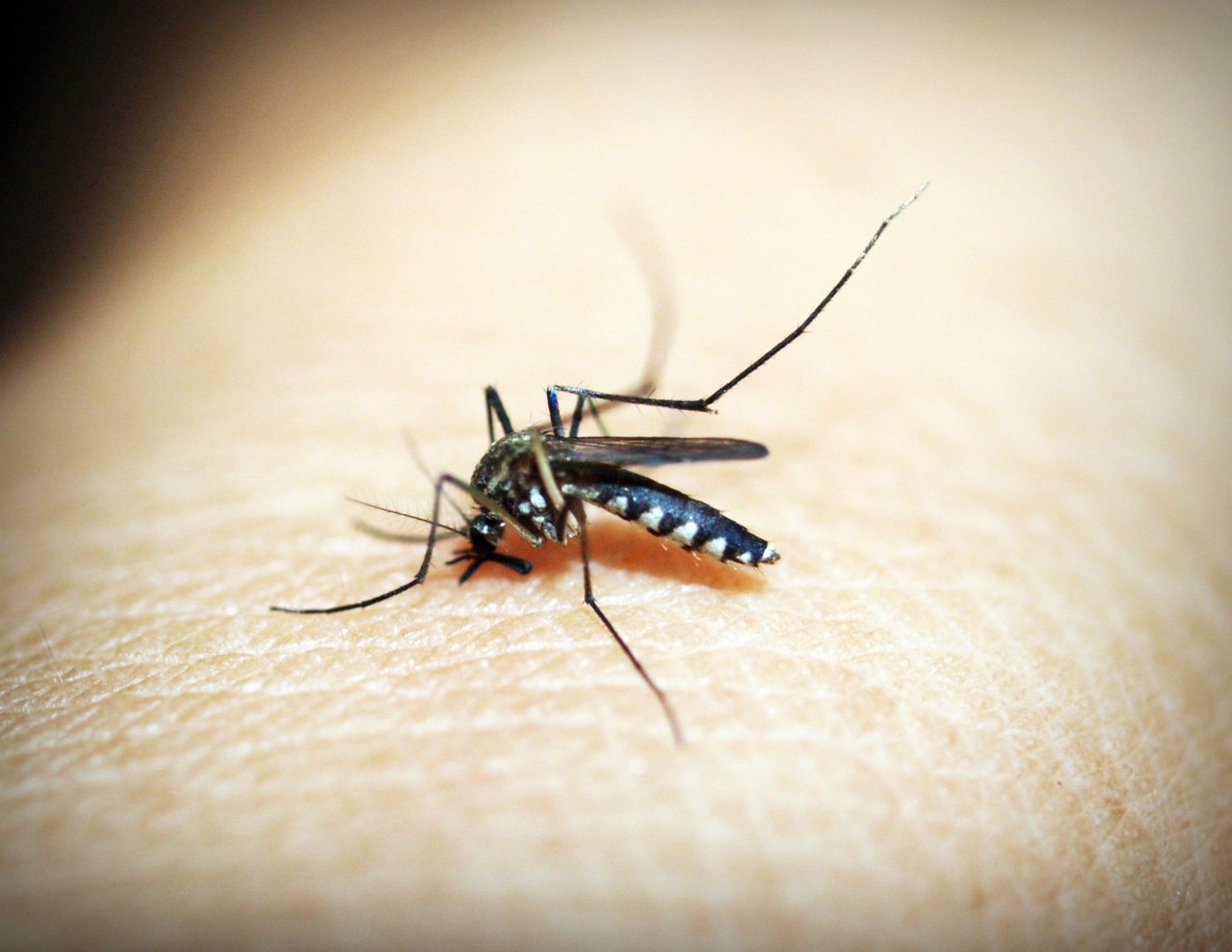
Malaria is an infectious disease caused by microscopic parasites known as Plasmodium. These parasites are usually transmitted to humans through the bite of an infected female Anopheles mosquito.
Once inside the body, the parasites multiply in the liver before infecting red blood cells, causing symptoms such as fever, chills, headaches, and weakness.
Although malaria can affect anyone, young children face a greater risk of serious illness because their immune systems haven’t yet developed the same level of protection that some adults acquire through repeated exposure.
The most dangerous malaria parasite in Africa is Plasmodium falciparum, which can cause severe complications if treatment is delayed.
Fortunately, malaria is preventable and treatable when diagnosed early and managed correctly.
How Soon Do Malaria Symptoms Appear in Children?
Malaria symptoms usually begin about 10–15 days after an infected mosquito bite, although the incubation period can vary.
Initially, a child may appear slightly tired or uncomfortable. However, as the infection progresses, other symptoms may develop.
Importantly, malaria doesn’t always begin with a dramatic fever. Some children experience mild symptoms that resemble common viral infections.
Therefore, parents shouldn’t rely on symptoms alone to diagnose malaria.
A healthcare professional can confirm the infection through appropriate testing.
10 Common Malaria Parasite Symptoms in Children
Recognizing the early signs of malaria can make a significant difference in how quickly a child receives medical care.
Here are 10 symptoms parents and caregivers should watch for.
1. Fever or High Body Temperature
Fever is one of the most common symptoms of malaria in children.
A child may suddenly develop a high temperature, feel unusually warm, or experience repeated episodes of fever.
In some cases, the fever rises and falls. However, it may also remain persistent.
Because fever can result from many different illnesses, including viral and bacterial infections, a malaria test is necessary to confirm the cause.
Important: If a child develops a fever in an area where malaria is common, seek prompt medical evaluation.
2. Chills and Shivering
Another common warning sign is sudden chills or uncontrollable shivering.
For example, a child may complain of feeling cold even when the surrounding temperature is warm.
These episodes can occur before or during a fever.
Although chills are associated with malaria, they can also occur with other infections.
Consequently, parents should look for additional symptoms and arrange appropriate medical testing.
3. Excessive Sweating
Some children experience noticeable sweating during episodes of malaria-related fever.
Sweating may become more obvious when a child’s temperature begins to fall.
As a result, their clothes or bedsheets may become damp.
However, sweating alone doesn’t confirm malaria.
Parents should also watch for signs of dehydration, especially if sweating occurs alongside vomiting or diarrhoea.
4. Headaches
Headaches are another frequent symptom of malaria.
Older children may complain about pain in their heads, while younger children may struggle to explain what they’re experiencing.
Instead, they may become restless, irritable, or unusually quiet.
Headaches may occur alongside fever, chills, and general body weakness.
If a child develops a severe headache with confusion, seizures, or unusual drowsiness, seek emergency medical attention.
5. Unusual Tiredness and Weakness
Children are naturally active and curious. Therefore, sudden changes in their energy levels may indicate illness.
A child with malaria might:
-
Become unusually tired.
-
Avoid playing with friends.
-
Spend more time resting.
-
Complain about feeling weak.
-
Show less interest in daily activities.
This tiredness can result from the body’s response to infection.
In more serious cases, malaria may also cause anaemia, a condition in which the body has too few healthy red blood cells.
Severe weakness or an inability to sit, stand, or walk normally requires urgent medical assessment.
6. Loss of Appetite
A child who usually enjoys meals may suddenly refuse food when experiencing malaria.
Additionally, younger children may become less interested in breastfeeding or regular feeding.
Loss of appetite is common during many childhood illnesses, but it becomes more concerning when accompanied by fever, vomiting, or unusual weakness.
Parents should monitor how much their child drinks and whether they’re passing urine normally.
However, persistent refusal to drink or breastfeed needs immediate medical attention.
7. Nausea and Vomiting
Nausea and vomiting can occur in children infected with malaria parasites.
Some children may complain of feeling sick, while others may vomit after eating or drinking.
Repeated vomiting can lead to dehydration, particularly in younger children.
Warning signs of dehydration include a dry mouth, reduced urination, and unusual tiredness.
If your child cannot keep fluids down, seek urgent medical care.
8. Abdominal Pain and Diarrhoea
Malaria can sometimes affect the digestive system.
Consequently, children may experience abdominal discomfort, stomach pain, or loose stools.
Unfortunately, these symptoms can resemble gastroenteritis and other gastrointestinal infections.
For this reason, it’s important not to assume that every episode of stomach pain or diarrhoea is caused by malaria.
A proper medical examination helps identify the underlying illness.
9. Muscle Pain and Body Aches
Older children with malaria may complain about body aches, muscle discomfort, or general soreness.
They may feel uncomfortable when moving or participating in physical activities.
These symptoms often occur alongside headaches, fever, and fatigue.
However, body aches can also result from influenza and other infections.
Therefore, medical testing remains the most reliable way to determine whether malaria is responsible.
10. Irritability and Changes in Behaviour
Sometimes, malaria symptoms in younger children appear as changes in behaviour rather than clear physical complaints.
For example, a child may become unusually fussy, cry more frequently, or show little interest in playing.
Additionally, parents may notice changes in normal sleeping or feeding patterns.
Although irritability alone isn’t a specific sign of malaria, it can indicate that a child is unwell.
If your child becomes difficult to wake, confused, or unusually unresponsive, seek emergency care immediately.
Suggested image: A simple, mobile-friendly infographic summarizing the 10 common symptoms of malaria in children.
Malaria Symptoms in Babies and Toddlers
Identifying malaria in babies can be particularly challenging because infants cannot explain how they feel.
Instead, parents may notice changes in feeding, sleeping, movement, or general behaviour.
Possible symptoms include fever, poor feeding, vomiting, unusual irritability, and reduced activity.
Furthermore, babies can become seriously ill more quickly than older children.
For this reason, parents should seek prompt medical evaluation when an infant develops symptoms of infection.
Any fever in a baby younger than three months requires urgent medical assessment, whether malaria is suspected or not.
Severe Malaria Symptoms in Children: Emergency Warning Signs
Although many malaria infections are treatable, some cases progress to severe malaria.
According to the WHO, severe malaria in children may cause serious complications, including severe anaemia, breathing difficulties, and problems affecting the brain.
Seek emergency medical attention if your child experiences any of the following:
-
Seizures or convulsions.
-
Difficulty breathing or unusually fast, laboured breathing.
-
Loss of consciousness or difficulty waking up.
-
Confusion or abnormal responsiveness.
-
Extreme weakness or inability to sit or stand.
-
Repeated vomiting with an inability to drink.
-
Marked paleness, particularly with severe weakness.
-
Yellowing of the eyes or skin.
-
Dark or blood-coloured urine.
These symptoms require immediate evaluation at a hospital or emergency healthcare facility.
Do not wait for every symptom to appear before seeking medical help.
Early intervention can prevent serious complications and save lives.
How Is Malaria Diagnosed in Children?
Because malaria symptoms resemble those of several other illnesses, diagnosis should be confirmed through testing.
Healthcare professionals commonly use two methods.
Malaria Rapid Diagnostic Test (RDT)
A rapid diagnostic test detects specific substances produced by malaria parasites.
It requires a small blood sample and can provide results quickly, often within 15–20 minutes.
RDTs are particularly useful in healthcare settings where microscopy isn’t immediately available.
Malaria Blood Smear Microscopy
Microscopy involves examining a blood sample under a microscope to identify malaria parasites.
It can also help healthcare professionals determine the parasite species and assess the level of infection.
However, no test is perfect.
If an initial result is negative but malaria is still strongly suspected, a clinician may recommend further testing while investigating other possible causes of the child’s symptoms.
The Centers for Disease Control and Prevention (CDC) emphasizes the importance of laboratory testing for an accurate diagnosis.
Suggested image: A healthcare professional carrying out a malaria rapid diagnostic test in a clean clinic.
How Is Malaria Treated in Children?
Malaria is treatable, especially when diagnosed early.
However, the appropriate treatment depends on the child’s age, weight, medical condition, malaria parasite species, and severity of infection.
For uncomplicated malaria caused by Plasmodium falciparum, healthcare professionals commonly use artemisinin-based combination therapies (ACTs), following applicable national treatment guidelines.
Children with severe malaria require immediate hospital treatment and close medical monitoring.
Parents should avoid treating every unexplained fever as malaria or giving antimalarial medicines without appropriate medical guidance.
Similarly, traditional remedies shouldn’t replace clinically proven treatment.
How Can Parents Support a Child During Recovery?
Alongside prescribed treatment, parents can support recovery by:
-
Encouraging adequate rest.
-
Offering fluids regularly when the child can drink safely.
-
Continuing breastfeeding where appropriate.
-
Providing nutritious, easily tolerated meals.
-
Following the healthcare professional’s instructions.
-
Returning for medical review if symptoms persist or worsen.
Most importantly, seek further medical attention if a child develops new symptoms or fails to improve as expected.
How to Prevent Malaria in Children
Prevention is one of the most effective ways to protect children from malaria.
Fortunately, families can adopt several practical measures to reduce mosquito exposure.
1. Use Insecticide-Treated Mosquito Nets
Ensure children sleep under properly installed insecticide-treated mosquito nets every night.
These nets reduce contact with mosquitoes that transmit malaria.
2. Keep the Home Environment Clean
Empty or cover containers that collect stagnant water, since standing water can provide breeding sites for mosquitoes.
Additionally, maintain clean surroundings and address mosquito breeding areas around the home.
3. Install Window and Door Screens
Mosquito screens can help prevent insects from entering bedrooms and living spaces.
Repair damaged screens and close openings where mosquitoes commonly enter.
4. Reduce Exposure to Mosquito Bites
Use age-appropriate mosquito repellents according to product instructions and applicable health recommendations.
Lightweight, long-sleeved clothing may also provide additional protection.
5. Ask About Malaria Vaccination
The WHO recommends malaria vaccination for eligible children living in malaria-endemic areas, particularly places with moderate or high transmission.
The RTS,S and R21 vaccines help reduce the risk of malaria illness.
Nigeria has also introduced malaria vaccination in selected areas.
However, vaccination doesn’t replace mosquito nets, early diagnosis, or other preventive measures.
Parents should consult their local healthcare facility to confirm eligibility and vaccine availability.
Suggested image: A young child sleeping safely under a properly installed insecticide-treated mosquito net.
Recommended educational video: Dangers of Malaria and Its Impact on Children — UNICEF
This video shares a parent’s perspective on childhood malaria and can help readers understand the importance of prevention.
Frequently Asked Questions About Malaria Parasite Symptoms in Children
What Is the First Sign of Malaria in a Child?
Fever is one of the most common early signs. However, some children initially experience tiredness, headaches, chills, or loss of appetite. Because these symptoms are not specific to malaria, testing is important.
Can a Child Have Malaria Without a High Fever?
Yes. Malaria doesn’t always cause a noticeably high fever at every stage of infection. Some children may experience mild or intermittent symptoms. Therefore, a normal temperature at one moment doesn’t completely exclude malaria.
How Long Does Malaria Last in Children?
The duration varies depending on the parasite species, severity of infection, and how quickly effective treatment begins. Many children with uncomplicated malaria begin improving within the first few days of appropriate treatment. However, persistent or worsening symptoms require prompt reassessment.
Can Malaria Cause Vomiting and Diarrhoea in Children?
Yes. Some children experience vomiting, abdominal pain, or diarrhoea during malaria infection. However, these symptoms are also common in other illnesses, making medical evaluation essential.
Can Malaria Return After Treatment?
Yes. A child may develop malaria again after another infected mosquito bite. Certain malaria parasite species can also cause relapses, while inadequate treatment or treatment failure may allow infection to persist or recur.
For this reason, any new fever or return of symptoms after treatment should be assessed by a healthcare professional.
When Should Parents Take a Child to the Hospital?
Seek medical assessment promptly when a child develops a fever or other possible malaria symptoms, especially in a malaria-endemic area.
Go to an emergency facility immediately if the child has seizures, breathing difficulties, impaired consciousness, extreme weakness, or cannot drink.
Conclusion: Early Recognition Can Protect Your Child
Recognizing malaria parasite symptoms in children is an important step towards protecting children’s health.
Although fever, chills, headaches, vomiting, and tiredness are common warning signs, these symptoms can also occur with other illnesses.
Therefore, parents should avoid guessing the cause of their child’s sickness.
Instead, seek timely medical evaluation, obtain recommended malaria testing, and follow professional treatment advice.
Additionally, consistent prevention measures, including insecticide-treated mosquito nets and appropriate vaccination, can help reduce malaria risk.
At FWICO, we believe that improving access to reliable health information is an important part of building healthier families and stronger communities.
By increasing awareness, encouraging early diagnosis, and supporting preventive healthcare, we can work towards reducing the burden of malaria among children.
Remember: Early testing, prompt treatment, and effective prevention can save young lives.
Medical information notice: This article is intended for educational purposes only. It does not replace professional medical advice, diagnosis, or treatment.
Medical References
The article’s medical information is supported by WHO guidance on malaria symptoms, prevention, and vaccination, as well as CDC guidance on diagnostic testing.
3. Strategic image and video placement recommendations
For better reader engagement, I recommend using four images and two educational videos.
|
Media |
Recommended placement |
Suggested content |
|---|---|---|
|
Featured image |
Immediately below the article title |
African mother caring for a child with a fever |
|
Image 2 |
After the 10 common symptoms |
Infographic showing childhood malaria symptoms |
|
Image 3 |
Under “How Is Malaria Diagnosed?” |
Healthcare worker performing a malaria rapid test |
|
Image 4 |
Under “How to Prevent Malaria” |
Child sleeping under a mosquito net |
|
Video 1 |
After the severe malaria warning signs |
|
|
Video 2 |
Under malaria prevention |